Buy sportlust46.eu ?
We are moving the project
sportlust46.eu .
Are you interested in purchasing the domain
sportlust46.eu ?
domain@kv-gmbh.de · 0541-91531010
Buy sportlust46.eu ?
"Less leg training because of soccer?"
Soccer involves a lot of running, agility, and quick movements, which can naturally develop the muscles in the legs. However, it's important to still incorporate specific leg training exercises to build strength, power, and prevent imbalances or injuries. Focusing on exercises like squats, lunges, and plyometrics can help improve performance on the soccer field and reduce the risk of muscle imbalances. So, while soccer may provide a good foundation for leg strength, it's still important to include targeted leg training in a well-rounded fitness routine. **
What does leg training look like for a soccer player?
Leg training for a soccer player typically involves a combination of strength, power, and agility exercises. This can include exercises such as squats, lunges, deadlifts, and plyometric drills to improve lower body strength and explosiveness. Additionally, soccer players often incorporate exercises that focus on balance, stability, and flexibility to help prevent injuries and improve overall performance on the field. It is important for soccer players to have a well-rounded leg training routine that targets all muscle groups in the legs to enhance their speed, agility, and endurance during matches. **

Similar search terms for Leg
Top-Angebote
Products related to Leg:
-
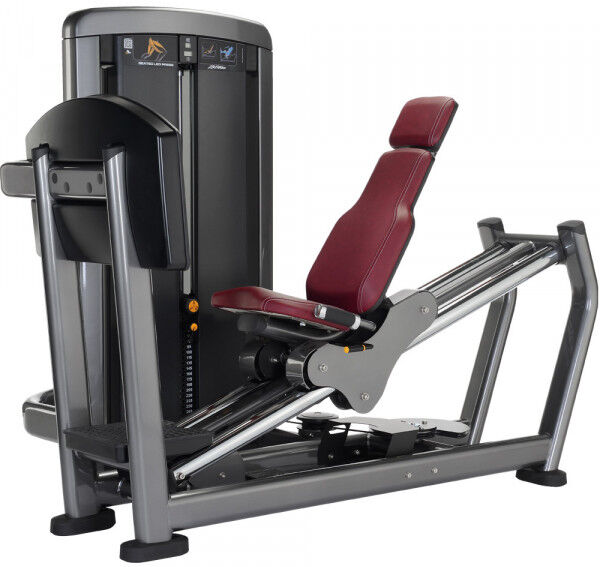
Life Fitness Insignia Series Seated Leg Press Machine*12 week manufacturing time* The full commercial Insignia Leg Press is the key to strong and sculpted leg muscles, targeting the quadriceps, glutes, plus the smaller leg muscles. Features a 168kg incremental weight stack, adjustable range-of-motion, optimised biomechanics and quality upholstery....10602,00 £*Shipping: 0,00 £Secure redirect to the provider
-
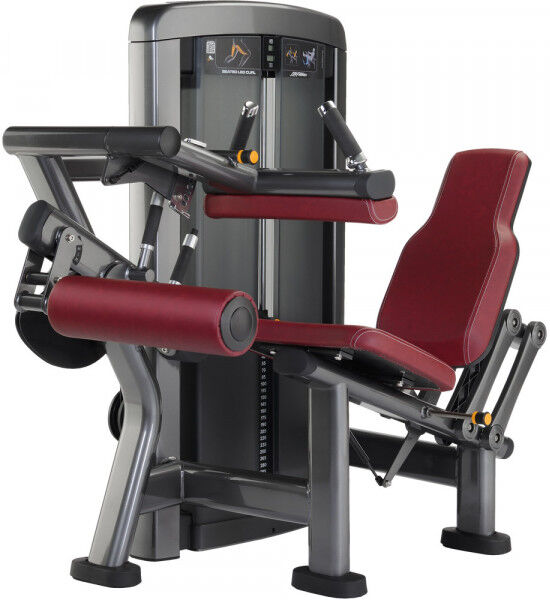
Life Fitness Insignia Series Seated Leg Curl Machine*12 week manufacturing time* The full commercial Insignia Seated Leg Curl effectively shapes and sculpts the leg muscles including the hamstrings, calves plus glutes. Features a 130kg incremental weight stack, adjustable range-of-motion and seat, back, thigh and tibia pads and quality upholstery....6942,00 £*Shipping: 0,00 £Secure redirect to the provider
-
What can be done for leg pain after soccer training?
Leg pain after soccer training can be managed through a combination of rest, ice, compression, and elevation (RICE). Resting the affected leg and applying ice packs can help reduce inflammation and alleviate pain. Compression bandages can also help reduce swelling, and elevating the leg can improve blood flow and reduce discomfort. Additionally, gentle stretching and massage of the affected muscles can help relieve tension and promote healing. If the pain persists or worsens, it's important to seek medical attention to rule out any serious injuries. **
-
What is leg training?
Leg training refers to exercises and workouts specifically targeting the muscles in the legs, including the quadriceps, hamstrings, glutes, and calves. These exercises can include squats, lunges, deadlifts, leg presses, and calf raises, among others. Leg training is important for building strength, improving balance and stability, and enhancing overall athletic performance. It is a key component of any well-rounded fitness routine. **
-
Is leg training important?
Yes, leg training is important for overall strength and functionality. Strong legs are essential for daily activities such as walking, running, and climbing stairs. Additionally, working out the lower body helps to improve balance, stability, and posture. Neglecting leg training can lead to muscle imbalances and increase the risk of injury. **
-
Should the leg workout take place before or after the soccer training?
It is generally recommended to do the leg workout after soccer training. This is because soccer training requires a lot of lower body strength and energy, so doing a leg workout beforehand may lead to fatigue and decreased performance during training. Additionally, doing the leg workout after soccer training allows for proper warm-up and activation of the muscles, which can help prevent injury and improve overall performance. **

Does jogging replace leg training?
Jogging can be a great cardiovascular exercise that also engages the leg muscles, but it does not fully replace targeted leg training. Leg training, such as squats, lunges, and leg presses, focuses on building strength, muscle mass, and improving overall lower body function. Incorporating both jogging and leg training into a workout routine can provide a well-rounded approach to fitness, helping to improve endurance, strength, and muscle tone in the legs. **
Does leg training increase testosterone?
Yes, engaging in leg training exercises such as squats and deadlifts can increase testosterone levels. These compound movements activate large muscle groups, including the legs, which can stimulate the release of testosterone in the body. Additionally, the stress placed on the body during intense leg workouts can trigger hormonal responses that lead to an increase in testosterone production. However, it is important to note that the impact of leg training on testosterone levels may vary from person to person. **
Top-Angebote
Products related to Leg:
-
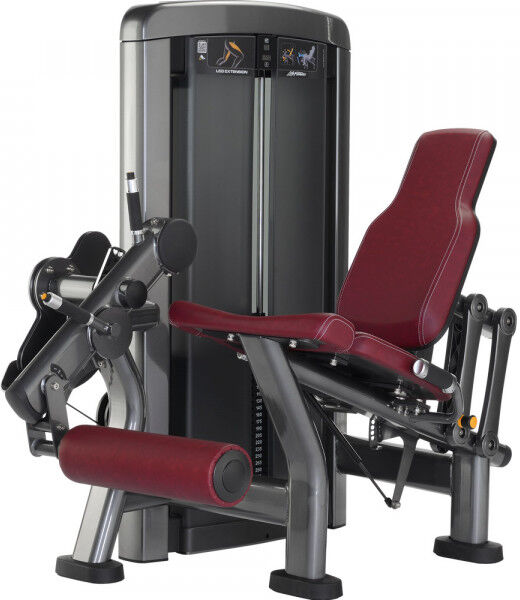
Life Fitness Insignia Series Leg Extension Machine*12 week manufacturing time* The full commercial Insignia Leg Extension gives the quadriceps muscle the attention it deserves, effectively sculpting and strengthening. Features a 130kg incremental weight stack, adjustable range-of-motion, seat, back, thigh and tibia pads and quality upholstery....6936,00 £*Shipping: 0,00 £Secure redirect to the provider
-
Life Fitness Insignia Series Lying Leg Curl MachineThe full commercial Insignia Leg Curl effectively shapes and sculpts the leg muscles including the hamstrings, calves plus glutes. Features a 85kg incremental weight stack, adjustable roller pad and seat, optimised biomechanics and plush upholstery. Choose from a range of frame, shroud and...6474,00 £*Shipping: 0,00 £Secure redirect to the provider
-
Life Fitness Insignia Series Seated Leg Press Machine*12 week manufacturing time* The full commercial Insignia Leg Press is the key to strong and sculpted leg muscles, targeting the quadriceps, glutes, plus the smaller leg muscles. Features a 168kg incremental weight stack, adjustable range-of-motion, optimised biomechanics and quality upholstery....10602,00 £*Shipping: 0,00 £Secure redirect to the provider
-
Life Fitness Insignia Series Seated Leg Curl Machine*12 week manufacturing time* The full commercial Insignia Seated Leg Curl effectively shapes and sculpts the leg muscles including the hamstrings, calves plus glutes. Features a 130kg incremental weight stack, adjustable range-of-motion and seat, back, thigh and tibia pads and quality upholstery....6942,00 £*Shipping: 0,00 £Secure redirect to the provider
-
"Less leg training because of soccer?"
Soccer involves a lot of running, agility, and quick movements, which can naturally develop the muscles in the legs. However, it's important to still incorporate specific leg training exercises to build strength, power, and prevent imbalances or injuries. Focusing on exercises like squats, lunges, and plyometrics can help improve performance on the soccer field and reduce the risk of muscle imbalances. So, while soccer may provide a good foundation for leg strength, it's still important to include targeted leg training in a well-rounded fitness routine. **
-
What does leg training look like for a soccer player?
Leg training for a soccer player typically involves a combination of strength, power, and agility exercises. This can include exercises such as squats, lunges, deadlifts, and plyometric drills to improve lower body strength and explosiveness. Additionally, soccer players often incorporate exercises that focus on balance, stability, and flexibility to help prevent injuries and improve overall performance on the field. It is important for soccer players to have a well-rounded leg training routine that targets all muscle groups in the legs to enhance their speed, agility, and endurance during matches. **
-
What can be done for leg pain after soccer training?
Leg pain after soccer training can be managed through a combination of rest, ice, compression, and elevation (RICE). Resting the affected leg and applying ice packs can help reduce inflammation and alleviate pain. Compression bandages can also help reduce swelling, and elevating the leg can improve blood flow and reduce discomfort. Additionally, gentle stretching and massage of the affected muscles can help relieve tension and promote healing. If the pain persists or worsens, it's important to seek medical attention to rule out any serious injuries. **
-
What is leg training?
Leg training refers to exercises and workouts specifically targeting the muscles in the legs, including the quadriceps, hamstrings, glutes, and calves. These exercises can include squats, lunges, deadlifts, leg presses, and calf raises, among others. Leg training is important for building strength, improving balance and stability, and enhancing overall athletic performance. It is a key component of any well-rounded fitness routine. **
Similar search terms for Leg
-
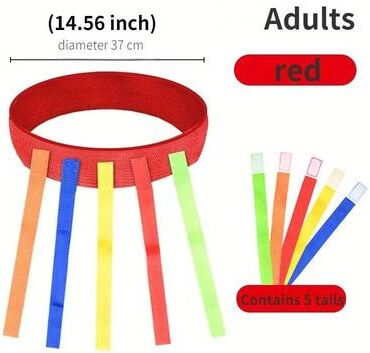
Uplift Essentials Kindergarten Catching Tail Training Belt Active Outdoor Teamwork Game For Kids adults redEncourage active play and social development with the Kindergarten Catching Tail Training Belt, the ultimate outdoor funny game toy belt for highenergy fun. This vibrant training equipment is designed to get children moving, helping them develop...35,97 $*Shipping: 0,00 $Secure redirect to the provider
-
Uplift Essentials Kindergarten Catching Tail Training Belt Active Outdoor Teamwork Game For Kids children blueEncourage active play and social development with the Kindergarten Catching Tail Training Belt, the ultimate outdoor funny game toy belt for highenergy fun. This vibrant training equipment is designed to get children moving, helping them develop...34,97 $*Shipping: 0,00 $Secure redirect to the provider
-
Is leg training important?
Yes, leg training is important for overall strength and functionality. Strong legs are essential for daily activities such as walking, running, and climbing stairs. Additionally, working out the lower body helps to improve balance, stability, and posture. Neglecting leg training can lead to muscle imbalances and increase the risk of injury. **
-
Should the leg workout take place before or after the soccer training?
It is generally recommended to do the leg workout after soccer training. This is because soccer training requires a lot of lower body strength and energy, so doing a leg workout beforehand may lead to fatigue and decreased performance during training. Additionally, doing the leg workout after soccer training allows for proper warm-up and activation of the muscles, which can help prevent injury and improve overall performance. **
-
Does jogging replace leg training?
Jogging can be a great cardiovascular exercise that also engages the leg muscles, but it does not fully replace targeted leg training. Leg training, such as squats, lunges, and leg presses, focuses on building strength, muscle mass, and improving overall lower body function. Incorporating both jogging and leg training into a workout routine can provide a well-rounded approach to fitness, helping to improve endurance, strength, and muscle tone in the legs. **
-
Does leg training increase testosterone?
Yes, engaging in leg training exercises such as squats and deadlifts can increase testosterone levels. These compound movements activate large muscle groups, including the legs, which can stimulate the release of testosterone in the body. Additionally, the stress placed on the body during intense leg workouts can trigger hormonal responses that lead to an increase in testosterone production. However, it is important to note that the impact of leg training on testosterone levels may vary from person to person. **
* All prices are inclusive of VAT and, if applicable, plus shipping costs. The offer information is based on the details provided by the respective shop and is updated through automated processes. Real-time updates do not occur, so deviations can occur in individual cases. ** Note: Parts of this content were created by AI.