Buy sportlust46.eu ?
We are moving the project
sportlust46.eu .
Are you interested in purchasing the domain
sportlust46.eu ?
domain@kv-gmbh.de · 0541-91531010
Buy sportlust46.eu ?
Is arcsin(0.5) 30 or not?
No, arcsin(0.5) is not equal to 30. The arcsin function returns the angle whose sine is the given value. In this case, arcsin(0.5) is equal to 30 degrees or π/6 radians. Therefore, the correct statement is that arcsin(0.5) is equal to 30 degrees or π/6 radians, not that it is equal to 30. **
Should I use sin 1 or arcsin?
You should use sin^-1 (arcsin) when you want to find the angle whose sine is a given value. This is the inverse function of the sine function. On the other hand, sin 1 represents the sine of the angle 1, which is a specific value. So, if you want to find the angle that produces a certain sine value, you should use arcsin. **


Similar search terms for Arcsin
Top-Angebote
Products related to Arcsin:
-
Inspire Curations FeatherBounce Interactive Training Ball For Cats soccerKeep your feline entertained, active, and engaged with a toy that combines bouncing action and irresistible feather fun. This interactive cat ball features a lightweight bouncy design paired with colorful feathers that flutter and move with every...50,00 $*Shipping: 0,00 $Secure redirect to the provider
-
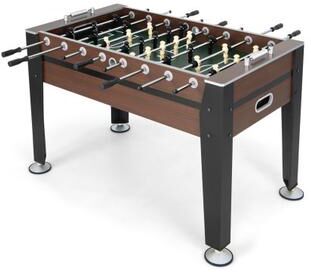
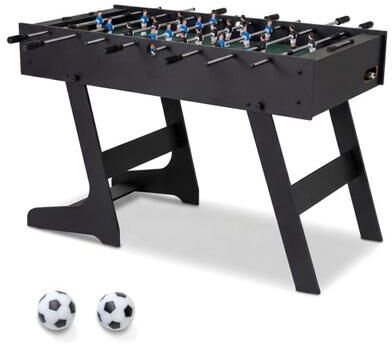
Uplift Essentials Mini Tabletop Football Game Interactive Soccer Competition Toy green"Bring the stadium's electric energy to your desktop with a fastpaced sports experience designed for competitive play. This mini tabletop football game offers a highaction ""catapult"" style of play, allowing two players to face off in a test of..."55,97 $*Shipping: 0,00 $Secure redirect to the provider


-
Why is arcsin(sin(105°)) equal to 75°?
The function arcsin(sin(x)) "undoes" the function sin(x), meaning it finds the angle whose sine is equal to the given value. In this case, sin(105°) is equal to sin(75°) due to the periodic nature of the sine function. Therefore, arcsin(sin(105°)) is equal to 75°, as it is the angle whose sine is equal to sin(105°). **
-
What is the difference between arctan and arcsin?
The main difference between arctan and arcsin lies in the range of values they can output. Arctan, or the inverse tangent function, takes in a ratio of the opposite and adjacent sides of a right triangle and outputs an angle in the range of -π/2 to π/2. On the other hand, arcsin, or the inverse sine function, takes in a ratio of the opposite and hypotenuse sides of a right triangle and outputs an angle in the range of -π/2 to π/2. In other words, arctan outputs angles in the range of -90 degrees to 90 degrees, while arcsin outputs angles in the same range. **
-
What is the integration of the derivative of arcsin?
The integration of the derivative of arcsin is simply the original function itself, plus a constant of integration. In other words, if we have the derivative of arcsin, which is 1/sqrt(1-x^2), then the integration of this derivative is arcsin(x) + C, where C is the constant of integration. This is a fundamental property of integration and is a result of the inverse relationship between differentiation and integration. **
-
What is the integral of the derivative of arcsin?
The integral of the derivative of arcsin is simply arcsin(x) + C, where C is the constant of integration. This is because the derivative of arcsin is 1/sqrt(1-x^2), and the integral of 1/sqrt(1-x^2) is arcsin(x) + C. **

What is the derivative of the function arcsin(x) in mathematics?
The derivative of the function arcsin(x) in mathematics is 1/sqrt(1-x^2). This can be derived using the chain rule and the fact that the derivative of sin(x) is cos(x). Therefore, the derivative of arcsin(x) is the reciprocal of the square root of 1 minus x squared. **
How do I find the antiderivative of f(x) = arcsin(x)?
To find the antiderivative of f(x) = arcsin(x), you can use integration by parts or substitution. One approach is to use the substitution method, where you let u = arcsin(x) and then find du in terms of dx. After substituting u and du, you can integrate with respect to u and then substitute back in terms of x to find the antiderivative. Another approach is to use integration by parts, where you choose u and dv in the equation ∫udv = uv - ∫vdu, and then integrate by parts to find the antiderivative. **
Top-Angebote
Products related to Arcsin:
-
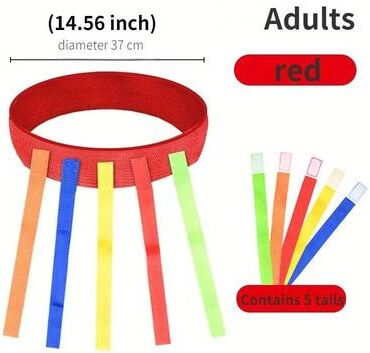
Uplift Essentials Kindergarten Catching Tail Training Belt Active Outdoor Teamwork Game For Kids children redEncourage active play and social development with the Kindergarten Catching Tail Training Belt, the ultimate outdoor funny game toy belt for highenergy fun. This vibrant training equipment is designed to get children moving, helping them develop...34,97 $*Shipping: 0,00 $Secure redirect to the provider
-
Is arcsin(0.5) 30 or not?
No, arcsin(0.5) is not equal to 30. The arcsin function returns the angle whose sine is the given value. In this case, arcsin(0.5) is equal to 30 degrees or π/6 radians. Therefore, the correct statement is that arcsin(0.5) is equal to 30 degrees or π/6 radians, not that it is equal to 30. **
-
Should I use sin 1 or arcsin?
You should use sin^-1 (arcsin) when you want to find the angle whose sine is a given value. This is the inverse function of the sine function. On the other hand, sin 1 represents the sine of the angle 1, which is a specific value. So, if you want to find the angle that produces a certain sine value, you should use arcsin. **
-
Why is arcsin(sin(105°)) equal to 75°?
The function arcsin(sin(x)) "undoes" the function sin(x), meaning it finds the angle whose sine is equal to the given value. In this case, sin(105°) is equal to sin(75°) due to the periodic nature of the sine function. Therefore, arcsin(sin(105°)) is equal to 75°, as it is the angle whose sine is equal to sin(105°). **
-
What is the difference between arctan and arcsin?
The main difference between arctan and arcsin lies in the range of values they can output. Arctan, or the inverse tangent function, takes in a ratio of the opposite and adjacent sides of a right triangle and outputs an angle in the range of -π/2 to π/2. On the other hand, arcsin, or the inverse sine function, takes in a ratio of the opposite and hypotenuse sides of a right triangle and outputs an angle in the range of -π/2 to π/2. In other words, arctan outputs angles in the range of -90 degrees to 90 degrees, while arcsin outputs angles in the same range. **
Similar search terms for Arcsin
-
Inspire Curations FeatherBounce Interactive Training Ball For Cats soccerKeep your feline entertained, active, and engaged with a toy that combines bouncing action and irresistible feather fun. This interactive cat ball features a lightweight bouncy design paired with colorful feathers that flutter and move with every...50,00 $*Shipping: 0,00 $Secure redirect to the provider
-
Uplift Essentials Mini Tabletop Football Game Interactive Soccer Competition Toy green"Bring the stadium's electric energy to your desktop with a fastpaced sports experience designed for competitive play. This mini tabletop football game offers a highaction ""catapult"" style of play, allowing two players to face off in a test of..."55,97 $*Shipping: 0,00 $Secure redirect to the provider
-
Uplift Essentials Kindergarten Catching Tail Training Belt Active Outdoor Teamwork Game For Kids adults redEncourage active play and social development with the Kindergarten Catching Tail Training Belt, the ultimate outdoor funny game toy belt for highenergy fun. This vibrant training equipment is designed to get children moving, helping them develop...35,97 $*Shipping: 0,00 $Secure redirect to the provider
-
Uplift Essentials Kindergarten Catching Tail Training Belt Active Outdoor Teamwork Game For Kids children blueEncourage active play and social development with the Kindergarten Catching Tail Training Belt, the ultimate outdoor funny game toy belt for highenergy fun. This vibrant training equipment is designed to get children moving, helping them develop...34,97 $*Shipping: 0,00 $Secure redirect to the provider
-
What is the integration of the derivative of arcsin?
The integration of the derivative of arcsin is simply the original function itself, plus a constant of integration. In other words, if we have the derivative of arcsin, which is 1/sqrt(1-x^2), then the integration of this derivative is arcsin(x) + C, where C is the constant of integration. This is a fundamental property of integration and is a result of the inverse relationship between differentiation and integration. **
-
What is the integral of the derivative of arcsin?
The integral of the derivative of arcsin is simply arcsin(x) + C, where C is the constant of integration. This is because the derivative of arcsin is 1/sqrt(1-x^2), and the integral of 1/sqrt(1-x^2) is arcsin(x) + C. **
-
What is the derivative of the function arcsin(x) in mathematics?
The derivative of the function arcsin(x) in mathematics is 1/sqrt(1-x^2). This can be derived using the chain rule and the fact that the derivative of sin(x) is cos(x). Therefore, the derivative of arcsin(x) is the reciprocal of the square root of 1 minus x squared. **
-
How do I find the antiderivative of f(x) = arcsin(x)?
To find the antiderivative of f(x) = arcsin(x), you can use integration by parts or substitution. One approach is to use the substitution method, where you let u = arcsin(x) and then find du in terms of dx. After substituting u and du, you can integrate with respect to u and then substitute back in terms of x to find the antiderivative. Another approach is to use integration by parts, where you choose u and dv in the equation ∫udv = uv - ∫vdu, and then integrate by parts to find the antiderivative. **
* All prices are inclusive of VAT and, if applicable, plus shipping costs. The offer information is based on the details provided by the respective shop and is updated through automated processes. Real-time updates do not occur, so deviations can occur in individual cases. ** Note: Parts of this content were created by AI.